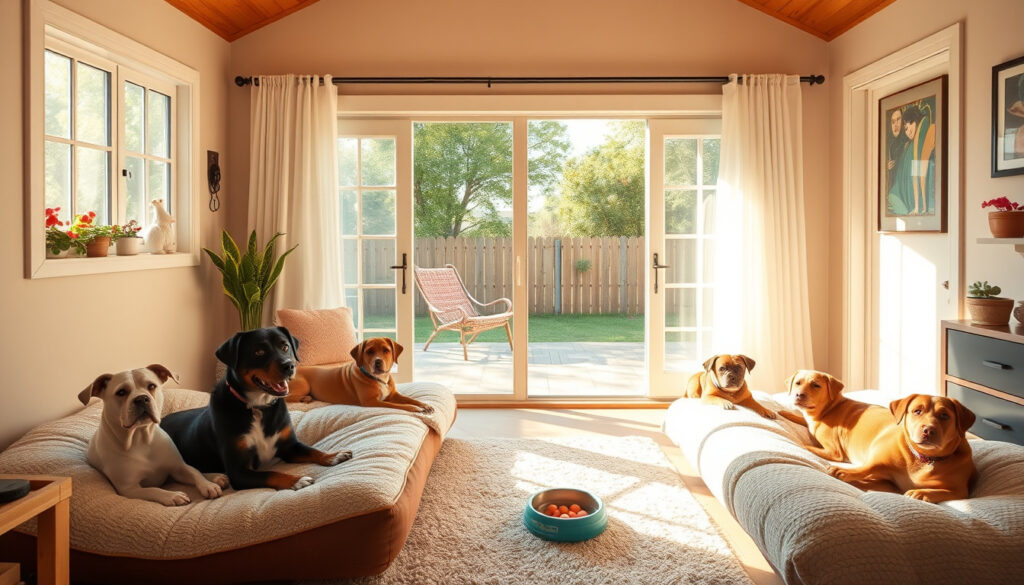
Free Dogs to Good Homes – How to Find and Adopt Safely
Finding free dogs to good homes requires navigating between legitimate adoption channels and widespread online scams. For families in northeastern Pennsylvania and beyond, understanding where to look—and where to avoid—can mean the difference between a successful adoption and a painful fraud.
Pet overpopulation remains a persistent challenge across the United States, with animal shelters continuously working to place dogs in loving homes. While the phrase “free dogs to good homes” appears frequently in online listings, the reality involves careful verification, responsible screening processes, and awareness of common deception tactics that target well-meaning adopters.
This guide examines proven strategies for finding legitimate free dog adoption opportunities, outlines step-by-step safety protocols, and provides practical checklists developed from established shelter practices.
Where Can I Find Free Dogs to Good Homes?
Several reputable platforms facilitate free or low-cost dog adoptions, connecting prospective owners with dogs that need placement. These services range from national databases to local foster-based rescues that prioritize finding the right match over collecting fees.
Rehome by Adopt-a-Pet.com, Petfinder, and local no-kill shelters offer verified listings with screening processes.
Requests for payment before meeting, demands for gift cards, and sellers who refuse in-person meetings.
Source verification, adopter screening, vet records review, and written contracts.
Low-fee adoptions at shelters often include vaccinations, microchipping, and spay/neuter services.
The Rehome service by Adopt-a-Pet.com allows current owners to create pet profiles that attract millions of potential adopters. According to the platform, owners can complete the profile setup in approximately ten minutes, with listings then visible across Adopt-a-Pet.com’s network. The service includes tools for reviewing adopter applications, scheduling safe meetups, and transferring ownership through standardized contracts. A small adoption fee applies, with proceeds directed to local shelter support.
Petfinder operates a “Free to Good Home” program specifically designed for senior dogs over eight years of age, animals with medical or behavioral considerations, and long-stay pets that have been available for adoption for more than thirty days. The platform also offers “sleepover trials” allowing hesitant adopters to test compatibility before committing.
- U.S. shelters euthanize approximately 390,000 dogs annually according to pre-2023 ASPCA estimates, though no-kill trends are improving outcomes
- Legitimate platforms never require payment before you meet the animal
- Local no-kill shelters in northeastern Pennsylvania include Griffin Pond Animal Shelter and Abby’s Angels Animal Haven
- Free rehoming programs aim to reduce shelter intake and prevent unnecessary euthanasia
- Verified listings include health records, spay/neuter documentation, and microchip information
- Scam prevalence on unmoderated platforms makes verification essential before any transaction
| Category | Data Point | Source |
|---|---|---|
| Annual Shelter Euthanasia | ~390,000 dogs nationwide | ASPCA estimates (pre-2023) |
| Free Program Eligibility | Senior dogs (8+ years), medical/behavioral needs, long-stay (30+ days) | Petfinder |
| Rehome Profile Setup | Approximately 10 minutes | Adopt-a-Pet.com |
| RescueMe.org Achievements | Over 1.1 million dogs saved historically | RescueMe.org |
| Shelter Type | No-kill status at Griffin Pond Animal Shelter | Griffin Pond Animal Shelter |
| Event Focus | Second Chance Gala scheduled for April 25, 2026 | Griffin Pond Animal Shelter |
Are Free Dogs to Good Homes Legitimate and Safe?
The legitimacy of “free dogs to good home” listings depends entirely on the platform hosting them and the verification processes in place. While numerous authentic opportunities exist through shelters and rescue organizations, unmoderated marketplaces remain plagued by sophisticated fraud operations.
Understanding Online Scam Tactics
Fraudsters frequently exploit the emotional appeal of free pet offers to execute various schemes. Common tactics include posting photos of puppies or popular breeds at no cost, then demanding payment for shipping, transport crates, or insurance before the animal can be delivered. These scammers often operate from overseas locations and may request payment through gift cards or wire transfers—methods that offer no recourse for recovery.
According to platform safety guidelines, Craigslist and Facebook Marketplace consistently feature scam listings for free animals. The Federal Trade Commission has documented numerous cases where victims paid fees ranging from tens to hundreds of dollars only to have the “seller” disappear after receiving payment.
Distinguishing Legitimate Listings from Frauds
Authentic free dog offerings typically come from established organizations with verifiable non-profit status, physical shelter locations, and structured adoption processes. Legitimate sources include the adoption fee structure used by Rehome, which passes proceeds to local shelters, and shelter-based programs that bundle services like vaccinations and microchipping with placement.
Never send money for a “free” dog. Red flags include requests for gift cards, wire transfers, or shipping payments before meeting the animal. Legitimate adoptions involve in-person meetings and written contracts—never prepayment.
Prospective adopters should verify any organization through Pennsylvania state licensing databases and confirm non-profit status through official websites. Griffin Pond Animal Shelter, for instance, operates as a no-kill facility in Clarks Summit that requires applications for meeting animals and maintains active social media presence for transparency.
How Do I Adopt a Free Dog Safely?
Safe dog adoption—whether free or low-cost—involves a systematic verification process. Established shelter protocols provide a framework that adopters can apply to any listing, whether through formal organizations or private rehoming situations.
Step-by-Step Adoption Protocol
The verification process begins with confirming the source itself. Adopters should research the organization, check for state licensing, review any available reviews or news coverage, and confirm the non-profit status before proceeding. For private rehoming situations, requesting references from previous adopters or veterinary contacts helps establish credibility.
Adopter screening represents a standard practice among legitimate organizations. Shelters typically require applications that assess lifestyle compatibility, including housing situation, other pets in the home, available time for exercise and care, and experience with animals. Home visits or reference checks from previous veterinarians provide additional verification.
Requesting complete health documentation forms the next critical step. Legitimate sources provide vaccination records, spay/neuter documentation, and microchip registration information. Any reluctance to share these records warrants caution. Post-adoption, scheduling an examination with your own veterinarian confirms the animal’s health status and establishes your relationship with that provider.
Before finalizing any adoption, obtain: current vaccination records, spay/neuter proof, microchip registration details, any behavioral assessments, and return policy agreements. These documents protect both adopter and organization.
Meeting and Contract Requirements
In-person meetings at neutral locations or shelter facilities eliminate most scam scenarios. Professional organizations never require shipping or transport arrangements that involve upfront payment. The Rehome program by Adopt-a-Pet.com specifically provides standardized adoption contracts that clarify ownership transfer, return policies, and prohibitions on resale.
Written agreements serve multiple purposes: they establish legal ownership transfer, document the condition of the animal at time of adoption, and create accountability for both parties. Contracts should include provisions for returning the animal if the arrangement does not work out, preventing resale to puppy mills or other problematic situations.
How to Rehome Your Dog to a Good Home for Free?
For owners who must rehome their dogs, the process requires careful preparation to ensure the animal finds a genuinely suitable placement. Responsible rehoming protects the dog’s welfare and prevents the animal from cycling through multiple homes or landing in harmful situations.
Preparing the Dog for Rehoming
Before listing a dog for adoption, owners should gather all relevant documentation including veterinary records, vaccination history, and any behavioral notes. Ensuring the animal is spayed or neutered before placement prevents accidental litters and often makes dogs more adoptable. Updating microchip registration to reflect the upcoming transition protects the dog’s long-term identification.
Creating an honest profile of the dog’s temperament, exercise needs, and any special requirements helps attract compatible adopters. Overstating a dog’s compatibility or concealing behavioral issues ultimately harms the animal and disappoints adopters.
Selecting a Platform for Rehoming
The Rehome program through Adopt-a-Pet.com provides a structured alternative to unmoderated classifieds. The platform guides owners through creating detailed profiles, screens potential adopters using standardized applications, and facilitates safe meetings. The included adoption contract protects both parties and includes provisions against resell.
Local shelters and rescues offer additional pathways, particularly for dogs with medical needs or behavioral challenges. Abby’s Angels Animal Haven near Wilkes-Barre operates as a foster-based non-profit focused on placing dogs in permanent homes, while One Life to Live Rescue in Scranton maintains a growing network of foster families to support dogs awaiting adoption.
Organizations available for rehoming support in the Wilkes-Barre and Scranton area include Griffin Pond Animal Shelter in Clarks Summit, Abby’s Angels Animal Haven, and One Life to Live Rescue. These groups can advise on placement strategies specific to your situation.
What Does the Free Dog Adoption Process Look Like?
Understanding the typical timeline for legitimate free dog adoptions helps prospective owners plan appropriately and set realistic expectations for each stage of the process.
- Initial Research: Identify platforms and shelters matching your location and preferences. Verify their credentials and review available listings. This stage typically requires one to three days of investigation.
- Application Submission: Complete adopter applications for chosen organizations. Include references, veterinary history if applicable, and information about your home environment. Processing time varies from same-day to two weeks depending on volume.
- Screening and Review: Organizations review applications for compatibility. Some conduct home visits or request additional information. This stage commonly spans three to ten business days.
- Meeting the Dog: Schedule and conduct in-person meetings at shelter locations or approved neutral sites. Many shelters encourage multiple visits to ensure good fit. Allow three to seven days for scheduling and completion.
- Final Verification: Review all documentation, complete veterinary checks if not already provided, and finalize contract arrangements. This final stage typically requires one to three days.
- Transition Home: Bring the dog home and allow adjustment period. Established organizations often provide follow-up support and remain available for questions during the transition.
What Is Established Versus Unclear About Free Dog Adoptions?
| Established Information | Remaining Uncertainties |
|---|---|
| Craigslist and Facebook Marketplace frequently host pet-related scams | Precise current numbers for annual shelter euthanasia (ASPCA data pre-2023) |
| Rehome by Adopt-a-Pet.com provides structured contracts and screening support | Long-term outcomes for dogs adopted through private versus shelter channels |
| Petfinder’s “Free to Good Home” program focuses on senior and long-stay animals | Regional variations in scam prevalence across different markets |
| Local no-kill shelters like Griffin Pond operate with documented care standards | Effectiveness comparison between various rehoming platforms |
| Legitimate organizations provide complete health documentation | Specific success rates for different screening methodologies |
| In-person meetings at neutral locations significantly reduce fraud risk | Post-adoption support needs for different dog demographics |
Why Do Shelters Offer Free Adoptions?
Animal shelters pursue “free to good home” programs primarily as a strategy to reduce shelter intake and prevent unnecessary euthanasia. When shelters offer reduced or eliminated adoption fees, they remove financial barriers that might prevent qualified adopters from bringing animals home.
The economics of shelter operations include substantial costs for food, housing, medical care, and staff attention for each animal awaiting adoption. Programs that facilitate faster turnover—whether through fee reduction or active rehoming support—allow shelters to serve more animals within existing capacity constraints.
Pet overpopulation affects communities differently, but national estimates suggest significant numbers of animals entering shelters annually. Programs that encourage responsible adoption, whether free or fee-based, contribute to broader population management goals. Shelters like Griffin Pond emphasize nurturing animals until appropriate matches emerge rather than rushed placements that might fail.
Expert Perspectives on Free Dog Adoptions
ASPCA guidance emphasizes the importance of verified platforms for pet adoption, directing prospective owners toward established organizations with screening protocols rather than unmoderated classified listings.
— ASPCA recommendations on pet adoption safety
The Humane Society and similar organizations consistently recommend visiting physical shelter locations when possible, meeting animals in person before committing, and avoiding any arrangement that requires sending payment before establishing contact. These practices reflect accumulated knowledge about what creates successful, lasting adoptions.
Adoption success depends less on the fee structure and more on the matching process—ensuring the right dog reaches the right home requires time, documentation, and appropriate screening regardless of cost.
— Industry guidance on adoption best practices
Summary and Next Steps
Finding free dogs to good homes involves balancing access to legitimate adoption opportunities with awareness of prevalent scam tactics. Verified platforms like Rehome by Adopt-a-Pet.com, organized shelter networks, and local rescue organizations provide the structure necessary for safe placements. Prospective adopters should verify sources, review documentation thoroughly, insist on in-person meetings, and demand written contracts before any exchange.
For those considering adoption, specifying your exact location—including ZIP code when searching—yields the most relevant local matches. The process of bringing a dog home represents a commitment extending years into the future, making thorough verification worthwhile regardless of adoption fees involved.
How can I find free puppies near me?
Search verified platforms like Petfinder’s “Free to Good Home” program or Rehome by Adopt-a-Pet.com. Specify your location for relevant results. Avoid Craigslist and Facebook Marketplace due to scam prevalence.
What websites are best for free dog adoptions?
Rehome by Adopt-a-Pet.com, Petfinder, and RescueMe.org offer structured listings with screening. Local no-kill shelters like Griffin Pond Animal Shelter provide in-person browsing with staff support.
What are common free dog scams?
Common scams include demands for gift cards or wire transfers for shipping, sellers who refuse in-person meetings, requests for payment before viewing the animal, and overseas “breeders” offering free puppies.
Is Craigslist safe for free dogs?
Craigslist frequently hosts pet-related scams. While legitimate listings exist, the platform lacks sufficient screening to verify sellers. Experts recommend using shelters and established adoption platforms instead.
What should I check before taking a free dog?
Verify the source’s legitimacy, request complete health documentation including vaccinations and spay/neuter records, confirm microchip registration, insist on in-person meetings, and require a written adoption contract.
What does “dogs to good home only” mean?
This phrase indicates the owner or organization seeks responsible adopters who can provide appropriate care, not merely any interested party. Legitimate users expect adopters to demonstrate suitable housing, time availability, and genuine commitment to the animal’s welfare.
How do I rehome my dog for free?
Create a detailed profile through Rehome by Adopt-a-Pet.com, gather all health documentation, screen potential adopters using applications, arrange safe meetings, and use provided contracts for ownership transfer. Local rescues can also assist with placement.
Are free dogs to good homes legitimate?
Legitimate free dog adoptions exist through verified shelters and rehoming platforms. However, unmoderated marketplaces contain numerous scams. Success depends on using established organizations with documented screening processes rather than classified listings.
More related posts
 When Did Freddie Mercury Die? Date, Cause, and Legacy
 40th Birthday Gift Ideas: From Tradition to the Unexpected
 How to Post on Instagram – Mobile and Desktop Guide
 Package Holidays From Dublin – Best Deals From €289pp
 Grimsby Town vs Brentford FC Lineups: Confirmed Starting XI
 Transformers Rise of the Beasts – Plot Cast Maximals Timeline
 My Life with the Walter Boys: Books, Ending, TV Series
 Colm Meaney Movies and TV Shows: Complete Filmography