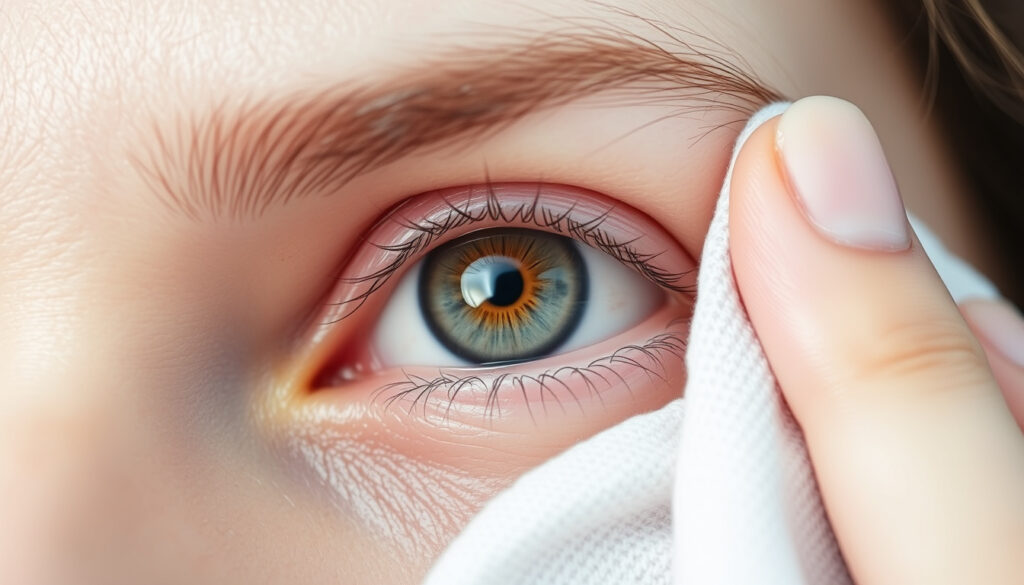
How to Get Rid of a Stye Fast: Causes & Home Remedies
Few things disrupt your day quite like a painful, swollen stye on your eyelid. If you’re reading this, you likely want it gone — fast. The good news: most styes clear up within a week or two with simple home care, starting with a warm compress applied a few times daily.
Most common cause of a stye: Bacterial infection (Staphylococcus) · Typical healing time with treatment: 7–10 days · Recommended warm compress frequency: 3–6 times per day
Quick snapshot
- Bacterial infection (American Optometric Association (professional eye care body))
- Blocked oil gland (American Optometric Association (professional eye care body))
- Poor hygiene (American Optometric Association (professional eye care body))
- Stress (American Optometric Association (professional eye care body))
- Warm compress
- Tea bag compress
- Clean eyelid
- OTC pain relief
- Wash hands regularly
- Change pillowcases weekly
- Replace eye makeup
- Don’t share towels
- No improvement in 48 hours
- Vision changes
- Severe pain
- Recurring styes
Four key facts about styes summarize what you need to know for treatment.
| Fact | Detail |
|---|---|
| Primary cause | Bacterial infection (Staphylococcus) (American Optometric Association (professional eye care body)) |
| Typical duration | 7–10 days with treatment (Mayo Clinic (nonprofit medical center)) |
| Treatment first line | Warm compress 3–6 times daily (StatPearls / NCBI Bookshelf (medical educational resource)) |
| Key warning | Never squeeze a stye (Healthdirect Australia (government health service)) |
What causes a stye in the eye?
Common bacterial causes
- The primary culprit is a bacterial infection, most often Staphylococcus aureus, according to the American Optometric Association (professional eye care body). This bacteria blocks an oil gland at the eyelid margin, causing the characteristic red, swollen lump.
- Poor eyelid hygiene can contribute to the buildup of bacteria. The American Optometric Association (professional eye care body) also lists risk factors like contact lens wear, old or contaminated makeup, blepharitis, rosacea, and diabetes.
Risk factors and triggers
- Stress and fatigue are thought to increase susceptibility, though the exact role is not clearly established.
- Other triggers include not washing hands before touching your eyes and reusing face towels.
The pattern: Most styes trace back to a common bacteria and hygiene gaps. The implication is that small daily habits — like washing hands and changing pillowcases — can make a real difference in prevention.
Addressing the bacterial cause is the foundation of effective treatment. Warm compresses work because they help the blocked gland drain naturally, reducing the bacterial load.
How can I get rid of a stye asap?
Using a warm compress correctly
A warm compress is the most recommended first-line treatment. Medical institutions agree on the method but vary slightly on timing.
- Mayo Clinic (nonprofit medical center) recommends 5–10 minutes, 2–3 times a day.
- University of Utah Health (academic medical center) suggests 10 minutes at least three times per day.
- StatPearls / NCBI Bookshelf (medical educational resource) says 10–15 minutes, 3–4 times daily.
- Harvard Health (university health publication) recommends about five minutes several times a day.
- NYU Langone Health (academic medical center) advises 5–10 minutes, four to five times a day.
Despite the range, the consensus is clear: apply a clean, warm washcloth to the closed eye for 5–15 minutes, 3–6 times daily, until the stye drains or improves. Change the washcloth frequently, especially after drainage, as advised by Harvard Health (university health publication).
Consistency with warm compresses is the single most effective action you can take. Missing a day can prolong the stye by a day.
Over-the-counter pain relief options
If the stye is painful, over-the-counter pain relievers like ibuprofen or acetaminophen can help. Mayo Clinic (nonprofit medical center) notes that these manage discomfort but do not treat the infection itself.
When to see a doctor
- No improvement after 48 hours of home care (Healthdirect Australia (government health service)).
- Vision changes or severe pain.
- The infection spreads beyond the eyelid (cellulitis). Mayo Clinic (nonprofit medical center) adds that antibiotics may be needed in such cases.
The implication: Most styes respond to home care within 48 hours, but seeking medical advice sooner can prevent complications like cellulitis.
The trade-off: Frequent compresses take time, but they are the most effective way to speed healing. Cutting corners can mean a longer recovery.
Do tea bags help styes?
How to use a tea bag as a compress
Some people turn to a warm tea bag as an alternative compress. The method is similar: steep a black or green tea bag in hot water, let it cool to a safe temperature, then hold it against the closed eyelid for 5–10 minutes.
What the evidence says
- The warmth itself provides the same benefit as a washcloth — encouraging drainage. Tannins in tea may have mild antibacterial properties, but this effect is not proven specifically for styes.
- Mayo Clinic (nonprofit medical center) and other major institutions do not list tea bags as a recommended treatment; they stick with warm water compresses.
- Effectiveness remains anecdotal. A tea bag compress is not a substitute for medical treatment if the stye is severe.
What this means: Tea bags are soothing but not proven superior to a clean cloth. If you try one, ensure it is warm (not hot) and use it as you would any warm compress.
Can a dirty pillow cause a stye?
Hygiene and stye formation
American Optometric Association (professional eye care body) lists poor hygiene as a risk factor. Dirty pillowcases can harbor bacteria, including Staphylococcus, that may come into contact with your eyelids while you sleep.
How to prevent styes with clean bedding
- Change pillowcases weekly and wash them in hot water.
- Avoid touching your eyes with unwashed hands.
- Replace eye makeup every 3 months and never share it.
- Harvard Health (university health publication) notes that gentle eyelid cleansing with diluted baby shampoo or a lid scrub can reduce recurrence.
The catch: While dirty pillowcases can contribute, they are rarely the sole cause. A combination of poor hygiene, stress, and underlying conditions like blepharitis often plays a larger role.
Will a stye go away in 2 days?
Typical healing timeline
- Mayo Clinic (nonprofit medical center) says most styes resolve within 7–10 days with proper care. Healing in two days is unlikely except in very mild cases.
- EyeWiki (ophthalmology reference) states styes develop over a few days and may drain on their own without treatment.
Factors that speed up recovery
- Consistent warm compresses are the single most effective step to reduce healing time.
- Good eyelid hygiene and avoiding irritation also help.
- If a stye shows no improvement after 48 hours, Healthdirect Australia (government health service) advises consulting a doctor.
The implication: Do not expect a two-day miracle. Commit to a week of consistent care, and you will likely see results.
Step-by-Step Home Treatment Guide
- Wash your hands thoroughly with soap and water.
- Soak a clean washcloth in warm water (not hot) and wring it out.
- Place the cloth over your closed eyelid for 5–10 minutes.
- Repeat 3–6 times a day until the stye drains or improves.
- After each compress, gently wipe the eyelid with a clean cloth if discharge appears.
- Use over-the-counter pain relievers if needed, but avoid squeezing or popping the stye.
- If no improvement after 48 hours or if symptoms worsen, see a doctor.
Consistency is key. Skipping compresses means slower healing.
What we know and what’s unclear about styes
Confirmed facts
- Warm compresses reduce swelling and promote drainage (Mayo Clinic (nonprofit medical center))
- Styes are caused by bacterial infection (American Optometric Association (professional eye care body))
- Good eyelid hygiene lowers recurrence risk (StatPearls / NCBI Bookshelf (medical educational resource))
What’s unclear
- Whether tea bags are more effective than clean cloth compresses
- Exact role of stress in triggering styes
- Optimal frequency of pillowcase changes for prevention
Expert advice on stye treatment
“Applying a warm washcloth over the closed eye for 5 to 10 minutes, repeated 2 to 3 times a day, can help the stye drain and heal faster.”
Mayo Clinic (nonprofit medical center)
“Soak a clean flannel in warm water and hold it against the eye for 5 to 10 minutes, three to four times a day. This encourages the stye to drain.”
For anyone dealing with a stye, the choice is clear: start warm compresses immediately and maintain strict eyelid hygiene. Doing so can shorten recovery and prevent recurrence. The alternative — ignoring it or trying to pop it — can lead to infection and longer healing. For the reader, the implication is that a few minutes of daily care can save days of discomfort.
nweyeclinic.com, stye.com, drmcdevitteyecare.com, temeculacreekoptometrist.com
For those seeking detailed guidance, stye self-care remedies provide a comprehensive look at the most effective treatments.
Frequently asked questions
Can you wear makeup with a stye?
It is best to avoid eye makeup until the stye heals to prevent contamination and irritation. Replace any products used during the infection.
Is a stye contagious?
Styes are not highly contagious, but the bacteria can spread through shared towels or pillowcases. Good hygiene reduces the risk.
Can stress cause a stye?
Stress may weaken the immune system, making you more susceptible to infections, but it is not a direct cause.
Should I see a doctor for a stye?
Yes, if there is no improvement after 48 hours, vision changes, severe pain, or if styes recur frequently.
Can you pop a stye safely?
No. Squeezing a stye can spread the infection deeper into the eyelid or into the orbit, which is dangerous.
Are styes related to blepharitis?
Yes, blepharitis (inflammation of the eyelid margins) is a risk factor for styes because it causes clogged oil glands.
More related posts
 GAA on TV Today RTÉ: Live Schedule & Times
 How to Say the Rosary: Step-by-Step Guide for Beginners
 Power (TV Series) Cast: Full List and Season Breakdown
 Zummi Eden Compact Stroller Review: Lightweight Easy Fold
 Stranger Things Season 4 – Full Recap Episodes Cast Ending
 House for Sale Blackrock: Dublin, Cork & Louth 2025
 Richest Man in the World – Elon Musk Tops 2025 Rankings
 Garda Diarmuid Ó Tuairisg dies suddenly: tributes pour in